
The Free Flow Conference, organized by the Arise Center for Holistic Health, Wellness, and Nutrition (ARCH), an agency under the United Youth Arise System, brought over fifty professionals, policymakers, educators, practitioners, and students from various backgrounds to build innovation in menstrual health. The conference, held at the University of Ghana Nursing and Midwifery Auditorium, provided a platform for learning, collaboration, and providing solutions to menstrual health and hygiene.
The conference aimed at exploring practical ways of bridging the menstrual health gaps through an interactive breakout track focused on Education & Stigma, Policy & budget and infrastructure (WASH).
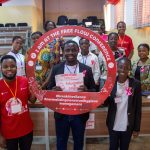
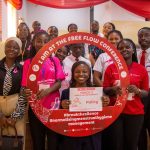
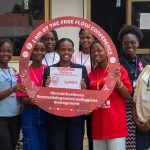
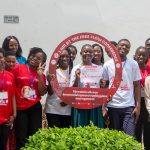
The Education & Stigma track explored practical ways the educational system can strengthen menstrual health education, reduce stigma among students, and create safe, inclusive & supportive learning environments for both boys and girls. The resolution goal was to propose a National Menstrual Literacy Standards for Basic schools.
The Policy & Budget track held a discussion on how the government can optimize their yearly budget to cater for an influx of 6.6 million menstrual pads, digital tools or school-based registries to track the dissemination of menstrual pads and a sustainable and long-lasting ways of procurement of pads from local manufacturers.
The Infrastructure & WASH (Water, Sanitation & Hygiene) track focused on specific and crucial needs like plumbing and privacy for female students, proper disposal of pads with the rise of free distribution, funding model for hygienic items.
The Local Innovation Lab explored local pad production initiatives using “Agro-Waste”, ways to incentivize the use of Ghana’s agricultural waste for local pad production and the creation of jobs by local small scale pad factories under the 24-hour economy.
Facilitators guided delegates through practical and relatable scenarios that encouraged critical thinking, collaboration and actionable recommendation plan. It was then followed by a presentation of discussion points, recommendation and action plans taken by each track with inputs and dissemination from the audience.
The success of the Free Flow Conference 2026 was made possible through collaboration with University of Ghana Nursing and Midwifery Association (UGHANMSA), the National Commission of Civic Education (NCCE), facilitators, and volunteers who contributed their expertise, time, and resources.
These partnerships strengthened the conference’s goal of building sustainable youth-led solutions and expanding advocacy efforts beyond the event.
At the end of the day, the conference achieved the following;
The Free Flow Conference continues to grow as a movement that empowers young people to lead change. As delegates return to their communities inspired and equipped, the impact of the conference is expected to extend far beyond the event itself.
The Free Flow Project looks forward to expanding partnerships, deepening impact, and welcoming even more professionals, policymakers, educators, practitioners, and students in the next edition.
Stay informed with verified updates and public health information from trusted international health organizations.
The World Health Organization and Africa CDC are responding to the ongoing Ebola outbreak affecting parts of the Democratic Republic of Congo and Uganda. Public health authorities are strengthening surveillance, emergency response, and cross-border preparedness efforts.
Read WHO UpdateGlobal health agencies continue to monitor hantavirus cases and strengthen preparedness systems through surveillance, prevention strategies, and public awareness campaigns.
Visit Africa CDCEmbracing New Perspectives to Health