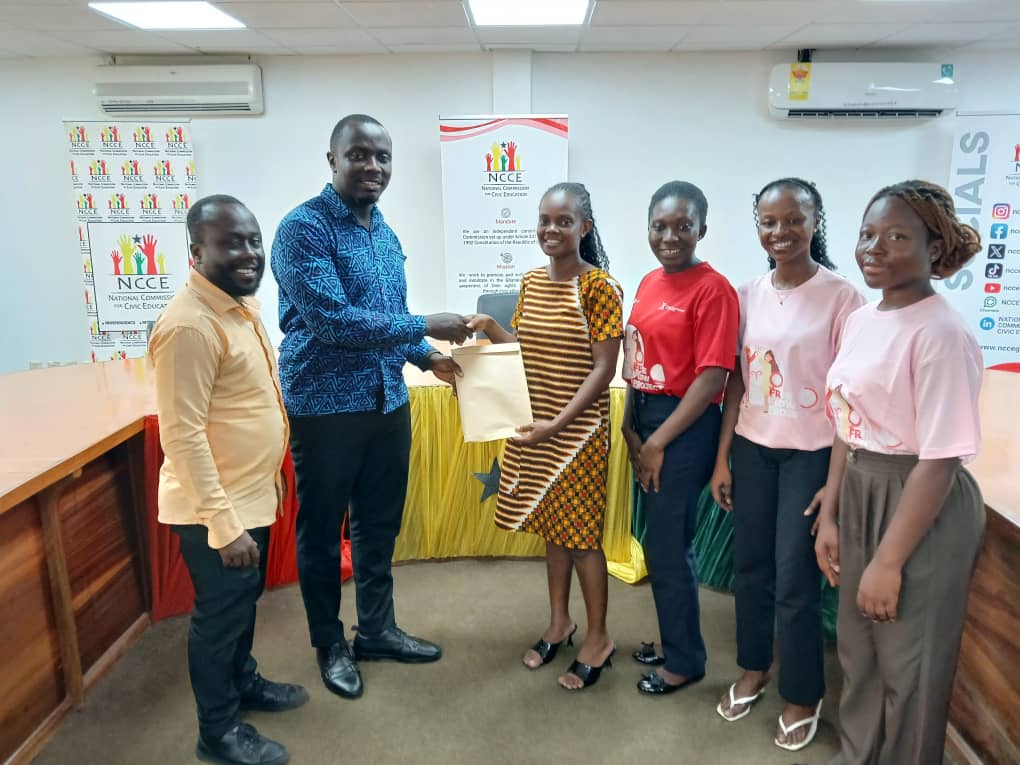
In a significant move toward strengthening youth participation in national development and fostering a period-friendly Ghana, a delegation of young advocates from the Arise Center for Holistic Health, Wellness, and Nutrition (ARCH) officially presented the “Free Flow Conference
Communiqué” to the Ministry of Gender, Children and Social Protection (MOGCSP), the National Commission for Civic Education (NCCE), and the Ghana Education Service (GES) on May 20, 2026.
The communiqué developed following extensive stakeholder engagements and youth-centered discussions at the Free Flow Conference (FFC), highlights pressing concerns affecting menstruating women and girls. It proposes actionable recommendations focused on closing gaps in education, stigma reduction, policy, WASH (Water, Sanitation, and Hygiene) infrastructure, and menstrual health innovation.
During the presentation at the Ministry of Gender, the delegation emphasized the urgent need for collaborative policies that protect and empower menstruating girls, particularly those in vulnerable communities. Speaking on behalf of the delegation, Emelia Baffour Awuah noted that the document represents the collective voices, experiences, and aspirations of young people. “Young people are not only beneficiaries of policies but active contributors to national transformation. This communiqué reflects our commitment to partnering with institutions to build
a future where every menstruating woman and girl is heard, protected, and empowered,” said Emelia Baffour Awuah.
Discussions at the National Commission for Civic Education (NCCE) centered on the importance of promoting civic consciousness. The team encouraged the Commission to strengthen collaborations with schools and community organizations to bolster civic education
efforts among the youth. At the Ghana Education Service (GES), the focus shifted to creating more supportive learning environments. Key recommendations presented to the GES included:
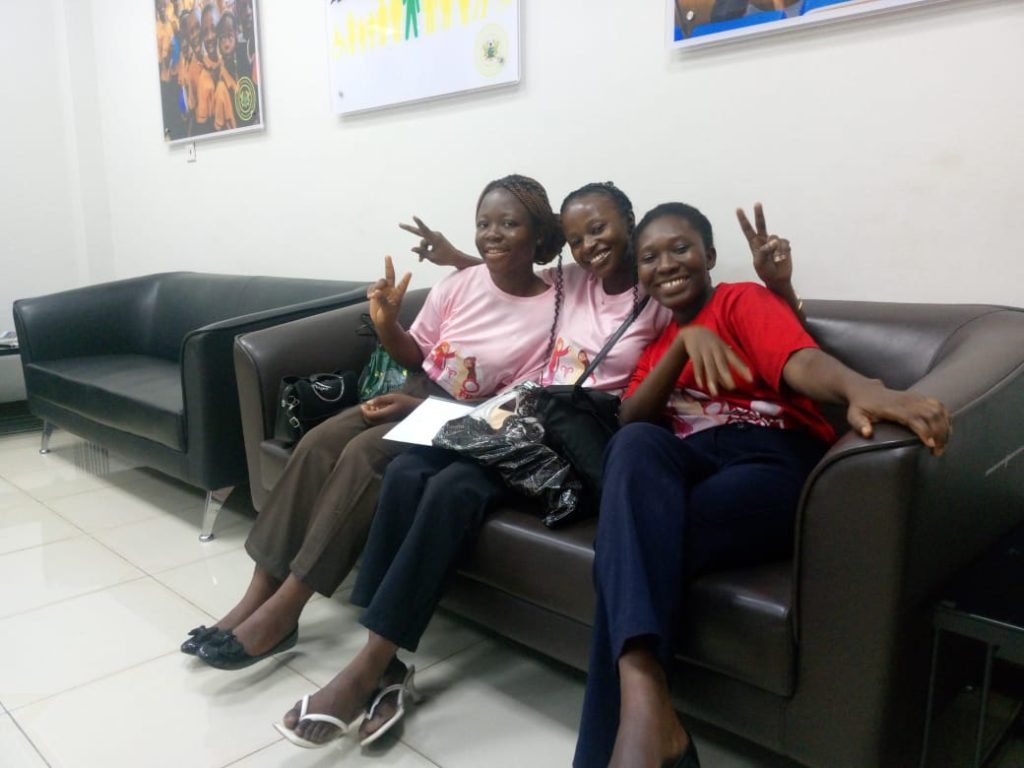
Officials from all three institutions received the communiqué, commending the initiative as both timely and impactful. They assured the delegation of their commitment to reviewing the recommendations and exploring concrete opportunities for partnership and policy
implementation. This milestone in the Free Flow Project marks a pivotal step in fostering ongoing dialogue between young people and state institutions, reinforcing the collective responsibility to ensure the well-being, education, and empowerment of all menstruating women and girls in Ghana.
Embracing New Perspectives to Health